

Orthopedic Support
Which Belt Is Good for Lower Back Pain? A Complete Buying Guide
Sep
If you’ve been dealing with lower back pain, chances are someone has told you to “just get a back belt.” But with so many options — soft elastic belts, semi-rigid braces, fully rigid orthoses — picking the right one for your specific condition can feel confusing. The wrong belt can feel uncomfortable or simply not help, while the right one can genuinely ease pain and support recovery.
This guide breaks down the different types of lower back support belts, what each one is actually meant for, and how to choose the right fit — so you can make an informed decision instead of guessing.
Note: This article is for general informational purposes only and is not a substitute for a doctor’s or physiotherapist’s advice.
Do Back Support Belts Actually Help with Lower Back Pain?
It’s worth setting expectations correctly before you buy. A widely cited Cochrane systematic review found that lumbar supports are not significantly more effective than lifting education or no treatment at all when it comes to preventing low back pain or reducing sick days in the long run.
That said, more recent clinical evidence tells a more nuanced story for people who are already in pain. A randomized clinical trial on lumbar belts for non-specific low back pain found that participants using a soft lumbar belt needed less pain medication, particularly NSAIDs, suggesting the belts can offer real, immediate pain relief at rest — even though major guidelines, including recent World Health Organization recommendations, currently advise against relying on braces or belts as a routine, standalone treatment for chronic low back pain, largely due to low-certainty evidence.
In simple terms: a well-chosen back belt is not a cure, but it can be a genuinely useful short-term aid — reducing pain, providing stability, and supporting posture — especially when combined with movement, exercise, and other measures recommended by your doctor or physiotherapist.
Types of Lower Back Support Belts — and What Each One Is For
Not all back belts are built the same. Here’s how the main categories differ:
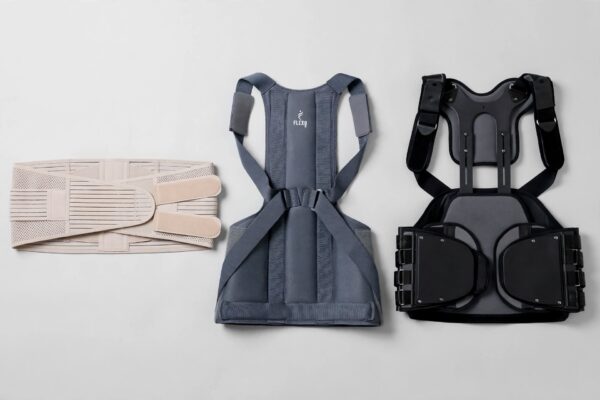
1. Soft / Elastic Lumbar Belt
A lightweight, flexible belt with a few semi-rigid stays for gentle compression. Best suited for: – Mild to moderate lower back pain – Everyday use at a desk job or during light physical work – General posture support and lumbar stability during exercise or sports
2. Extended / Semi-Rigid Lumbo-Sacral Belt
Covers a larger area of the lower back and sacral region with firmer compression and more support panels. Best suited for: – Moderate to severe low back pain – Lumbo-sciatica (pain radiating down the leg) – Post-operative recovery where more coverage is needed – Labour-intensive jobs involving repeated bending or lifting
3. Rigid Dorso-Lumbar-Sacral (DLS) Brace
A more rigid orthosis with reinforced stays that limits movement significantly more than a soft or semi-rigid belt. Typically recommended for: – More significant lumbar instability or deformity – Post-surgical immobilization (as advised by your surgeon) – Cases where a doctor specifically prescribes higher rigidity for spinal support
4. Posture Corrector
Not a lumbar belt in the traditional sense, but worth mentioning — it targets the upper back and shoulders to reduce slouching, which indirectly reduces compensatory strain that often travels down to the lower back and waist.
5. Abdominal Belt / Binder
When lower back pain is linked to core weakness (post-pregnancy, post-abdominal-surgery, or general core deconditioning), an abdominal binder that supports the front of the core can complement a back belt rather than replace it.
How to Choose the Right Belt for Your Condition
Ask yourself these questions before buying:
- What’s causing the pain? Muscular strain, sciatica, post-surgery recovery, and posture-related pain each respond differently to belt type and rigidity.
- How severe is it? Mild, occasional discomfort usually needs only a soft belt; sharp, radiating, or post-operative pain often needs firmer, doctor-guided support.
- What’s your activity level? Desk-based work needs a breathable, low-profile belt; physically demanding jobs need firmer compression and durability.
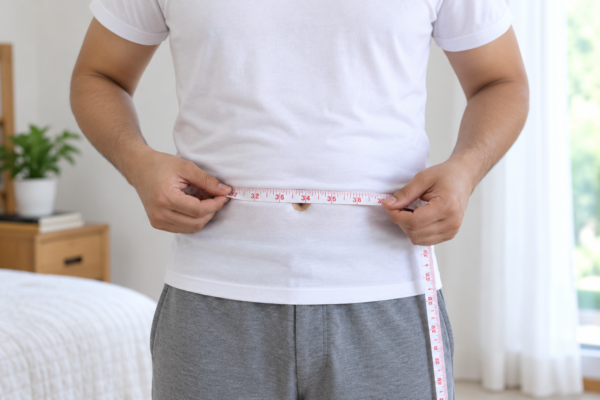
- What size do you need? Measure around your waist at navel level — a belt that’s too loose won’t provide support, and one that’s too tight can restrict breathing and circulation.
- How long will you wear it daily? Most soft-to-semi-rigid belts are designed for several hours of daily wear, but rigid braces should be used strictly as advised by your doctor.
According to NIAMS, general back health advice — like using proper lifting technique, changing position frequently, and staying physically active — remains just as important as any support belt, and should never be replaced by one.
Comparison: Which Flexo Healthcare Belt Fits Your Need?
| Condition / Need | Recommended Product | Support Level |
| Everyday lumbar pain, desk job, mild strain | Lumbo Sacral (LS) Belt | Soft to moderate |
| Sciatica, heavier work, more coverage needed | Contd. Lumbo Sacral Belt | Moderate to firm |
| Severe instability, post-op, doctor-prescribed rigidity | DLS Brace | Rigid |
| Slouching, rounded shoulders, posture-linked back strain | Posture Corrector | Light, corrective |
| Core weakness after pregnancy/surgery contributing to back pain | Abdominal Binder 10 Inch | Moderate compression |
| Pregnancy-related lower back and pelvic pain | Pregnancy Support Belt | Moderate |
All these are part of Flexo Healthcare’s WHO-GMP, ISO, and CE-certified range, made with breathable, skin-friendly fabric and adjustable straps for a comfortable, custom fit. You can browse the complete lineup in our Back Support Belts & Lumbar Supports collection, or check the Abdominal Belts & Abdominal Supports range if your pain is more core-related.
[IMAGE 4]
How to Wear a Back Support Belt Correctly
Getting the fit and habit right matters as much as picking the correct belt:
- Position it properly — it should sit snugly around the lower back and abdomen, not just the hips
- Don’t over-tighten — you should be able to breathe comfortably and sit down without discomfort
- Avoid all-day dependence — most physiotherapists recommend wearing a belt only during activities that aggravate your pain (lifting, long drives, extended standing), not 24/7
- Keep moving your core — a belt should support your recovery, not replace core-strengthening exercise
- Follow your doctor’s guidance on daily wear duration, especially for rigid braces
When a Belt Alone Isn’t Enough
A support belt can ease discomfort, but it’s not a substitute for medical care. See a doctor if you notice:
- Pain that persists beyond 2–3 weeks despite using a belt and rest
- Numbness, tingling, or weakness radiating down one or both legs
- Pain following a fall, accident, or sudden severe injury
- Loss of bladder or bowel control alongside back pain (seek emergency care immediately)
- Pain that keeps getting worse instead of improving

Conclusion
There’s no single “best” belt for lower back pain — the right choice depends on what’s causing your pain, how severe it is, and how active you are day to day. A soft Lumbo Sacral Belt works well for everyday strain and desk-job discomfort, a Contd. Lumbo Sacral Belt suits more demanding jobs or sciatica-type pain, and a rigid DLS Brace is reserved for more serious, doctor-guided cases. Whichever you choose, pair it with good posture, regular movement, and your doctor’s advice for the best long-term results.
Frequently Asked Questions
1. Which belt is best for everyday lower back pain?
For mild to moderate everyday pain from desk work or light strain, a soft-to-semi-rigid Lumbo Sacral Belt is usually sufficient.
2. Can I wear a back belt all day?
It’s generally not recommended. Most experts suggest wearing it only during activities that trigger or worsen your pain, to avoid your core muscles becoming overly dependent on external support.
3. Is a rigid back brace better than a soft belt?
Not necessarily “better” — rigid braces are meant for more severe or doctor-diagnosed conditions, while soft belts are suited to mild-to-moderate everyday pain. Using a rigid brace without medical guidance isn’t recommended/
4. Do back belts weaken your back muscles over time?
Some research suggests that over-reliance on rigid support without exercise may contribute to muscle deconditioning, which is why belts are best used alongside — not instead of — a regular exercise routine.
