

Uncategorized
Treatment for Broken, Cracked & Fractured Ribs: Complete Recovery Guide
Sep
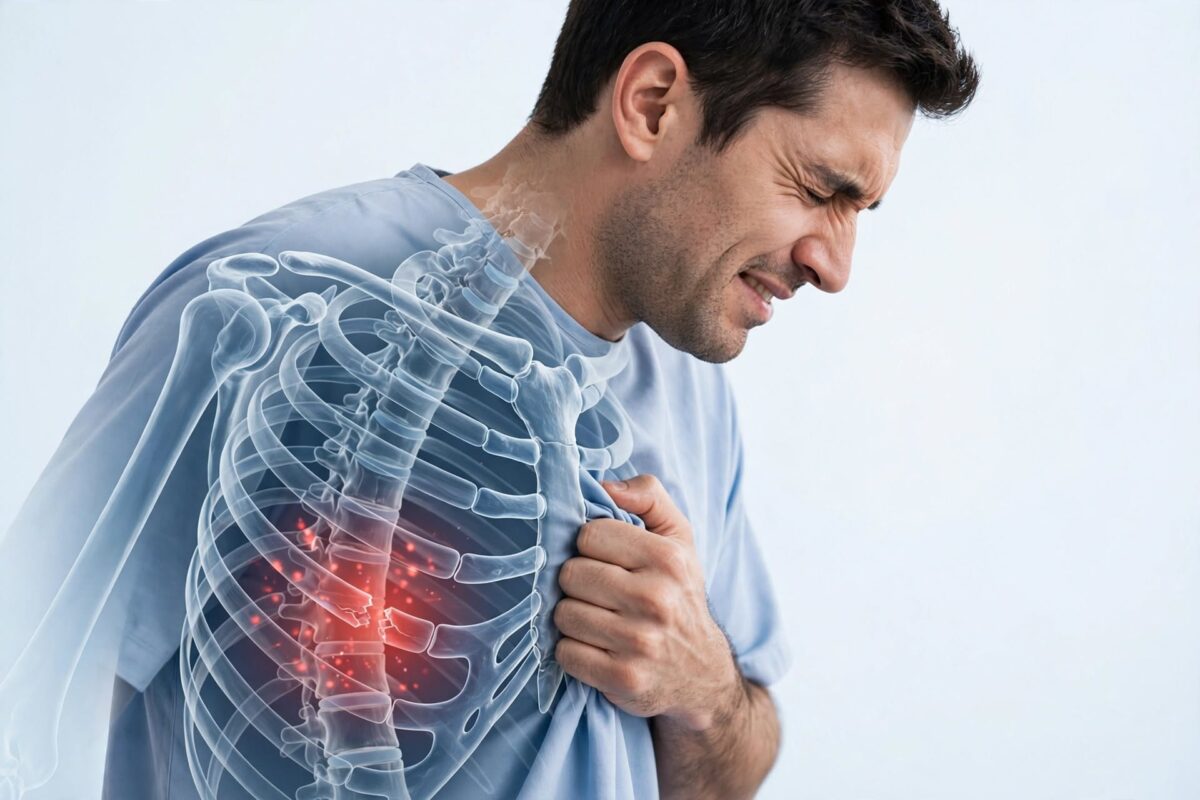
A rib injury — whether it’s called a broken rib, a cracked rib, or a fractured rib, these all refer to the same condition — can make even simple movements like breathing, laughing, or turning in bed surprisingly painful. The good news is that most rib fractures heal on their own with the right care. This guide walks through what actually helps: pain management, breathing exercises, support options, and how long recovery typically takes.
Broken Rib, Cracked Rib, or Fractured Rib — Is There a Difference?
Not really. “Broken rib,” “cracked rib,” and “fractured rib” are different ways of describing the same medical condition — a break in the bone of the rib cage. A “crack” or hairline fracture is simply a less severe version where the rib doesn’t move out of position, while a more serious fracture may involve the bone shifting or breaking into multiple pieces. Regardless of terminology, the treatment approach is largely the same.
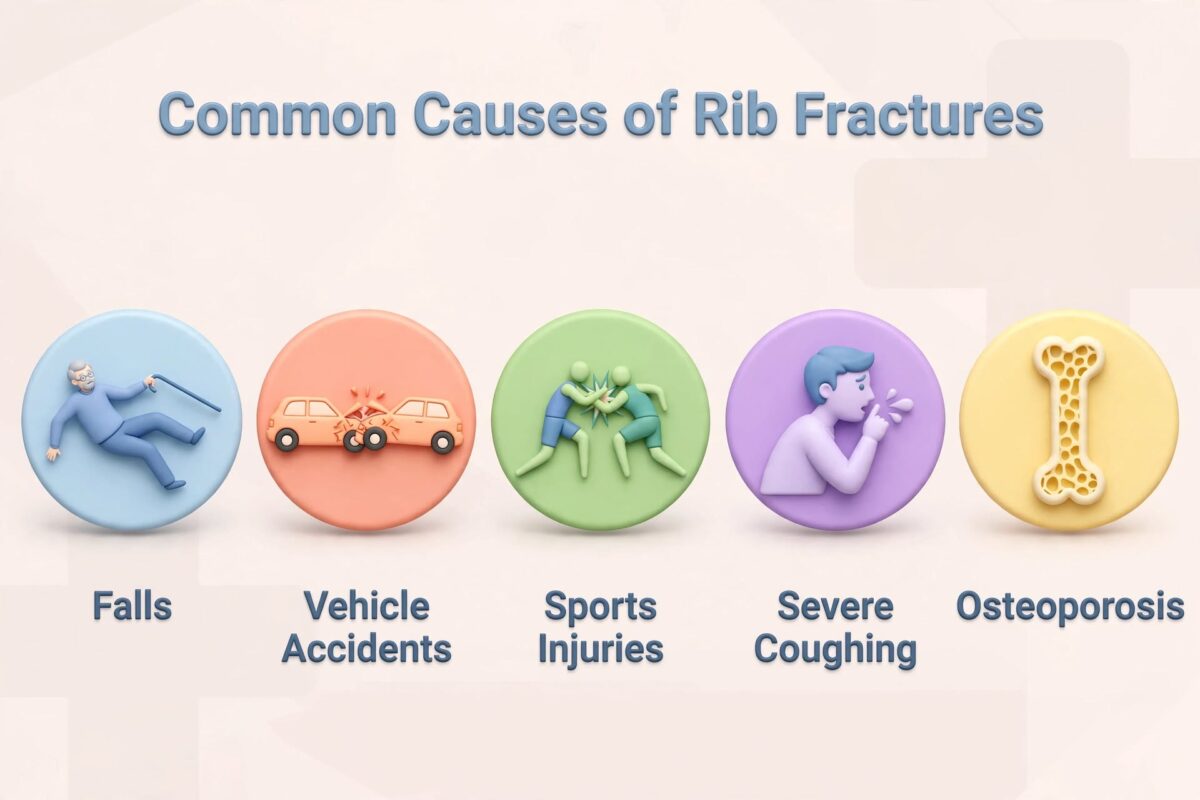
Common Causes of Rib Fractures
- Falls, especially in older adults
- Car accidents and direct chest trauma
- Contact sports collisions
- Severe, prolonged coughing
- Osteoporosis or low bone density, which increases fracture risk from minor impact
Symptoms to Watch For
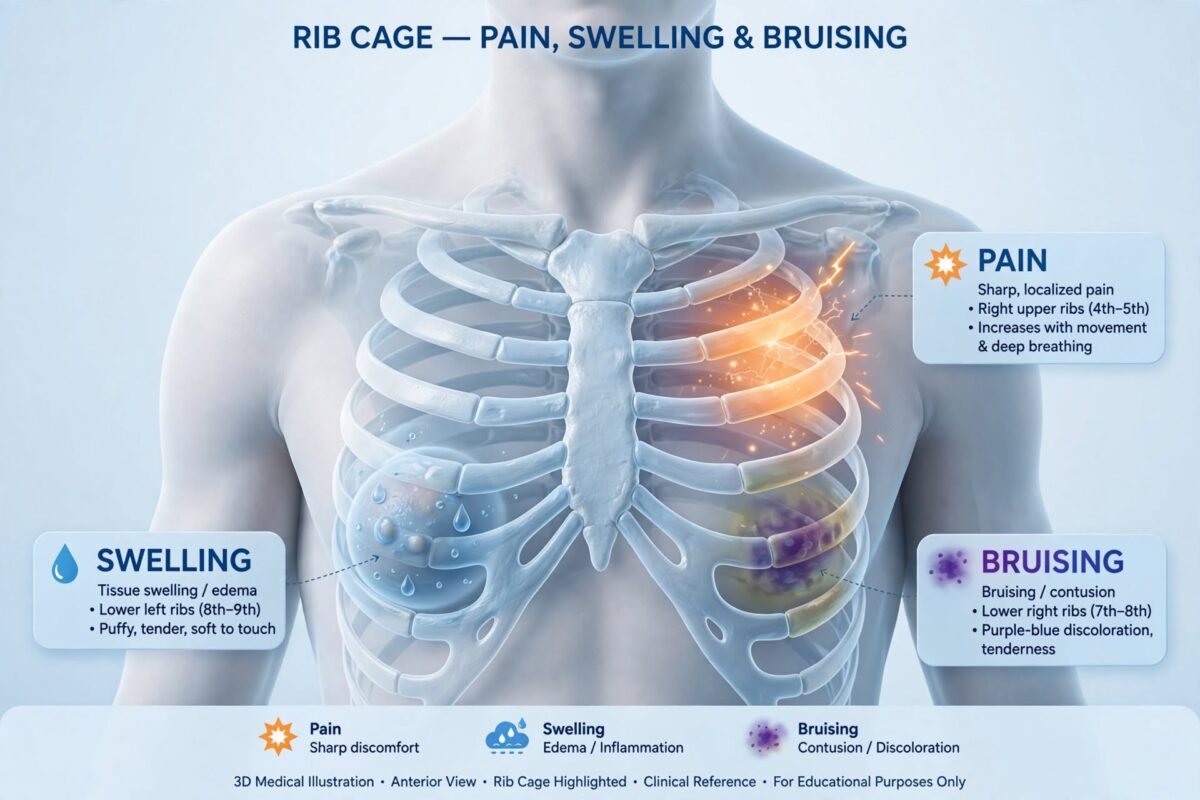
- Sharp pain at the injury site, worsening with deep breaths, coughing, or movement
- Tenderness when pressing on the area
- Swelling or bruising over the ribs
- Difficulty taking a full breath
- In more serious cases: shortness of breath, bluish skin, or coughing up blood — these require immediate medical attention
Treatment for Broken Ribs, Cracked Ribs, and Fractured Ribs
Most uncomplicated rib fractures don’t require surgery and are treated conservatively. According to Mayo Clinic, treatment for most rib fractures focuses on pain control and avoiding strenuous activity, with healing typically taking around six weeks. Here’s what that usually includes:
1. Pain Management
Over-the-counter pain relievers like acetaminophen or ibuprofen are commonly recommended to manage discomfort. In more painful cases, a doctor may prescribe stronger medication for short-term use.
2. Rest and Activity Modification
Avoiding strenuous activity, heavy lifting, and contact sports is essential while the rib heals. That said, complete immobility isn’t the goal — gentle movement and walking are still encouraged to prevent complications.
3. Breathing Exercises
This is one of the most important — and most overlooked — parts of rib fracture recovery. Because it hurts to breathe deeply, people often take shallow breaths, which increases the risk of lung complications like pneumonia. Holding a pillow against the chest while coughing, and using an incentive spirometer if prescribed, can help you breathe deeply without as much pain.
4. Ice Therapy
Applying ice to the injured area in the first few days can help reduce pain and swelling.
5. Support Belts and Binders — Use With Caution
Rib support belts are sometimes used to provide gentle compression and stability, which can make movement and daily activity more comfortable during recovery. However, medical guidance is important here — a belt that’s wrapped too tightly can restrict deep breathing, which is the opposite of what you want during recovery. If your doctor recommends a rib support belt, choose one designed for adjustable, breathable compression rather than rigid, tight binding, and follow their guidance on how long to wear it each day.
Flexo Healthcare’s Rib Belt 6 Inch and Rib Belt 5 Inch are designed with breathable, ventilated elastic material and an adjustable closure, allowing supportive compression around the rib cage while still permitting comfortable breathing — always use under your doctor’s guidance. You can browse the full Ribs support range to compare sizes and fit.
6. Medical Monitoring for Complications
Your doctor may want to monitor for complications such as pneumonia, especially in older adults, since broken ribs can increase this risk. Follow-up care matters even when the injury seems minor.
How Long Does It Take to Heal?
Most rib fractures heal within about six weeks, though full recovery — including the disappearance of pain during movement — can take up to three months in some cases. Healing time can vary based on age, overall health, and the severity of the fracture.
When to See a Doctor Immediately
Seek urgent medical care if you experience:
- Severe shortness of breath
- Chest pain that worsens suddenly
- Coughing up blood
- Signs of infection, such as fever
- Multiple rib fractures from a significant injury (like a fall or accident)
Tips to Support Faster, More Comfortable Recovery

- Sleep in a slightly upright position if lying flat increases pain
- Avoid smoking, which slows healing and increases lung complication risk
- Stay lightly active with short walks to keep circulation moving
- Don’t skip your breathing exercises, even when it’s uncomfortable
- Use prescribed or doctor-approved support garments correctly — not too tight, not for excessively long periods
Frequently Asked Questions
1. What is the best treatment for a broken rib? Rest, pain management, breathing exercises, and avoiding strenuous activity are the standard approach. Surgery is rarely needed unless there are complications or multiple displaced fractures.
2. Is a cracked rib treated differently from a fully broken rib? Not usually. Both are treated with the same conservative approach — pain control, rest, and breathing exercises — since a “crack” is simply a less severe fracture.
3. Can I wear a rib belt for a fractured rib? Some people find a supportive, breathable rib belt helpful for comfort during movement, but it should be used under a doctor’s guidance and shouldn’t be wrapped so tightly that it restricts breathing.
4. How long does it take for a fractured rib to heal? Most fractures heal in about six weeks, though it can take up to three months for pain to fully resolve.
5. When should I worry about a rib injury? Seek immediate medical attention if you have severe shortness of breath, coughing up blood, worsening chest pain, or if the injury resulted from major trauma.
Final Thoughts
Recovering from a broken, cracked, or fractured rib takes patience, but the right combination of rest, pain management, breathing exercises, and doctor-approved support can make the process far more manageable. If your doctor recommends a support belt as part of your recovery, explore Flexo Healthcare’s Ribs category for breathable, adjustable options designed for comfortable, supported healing.
This article is for informational purposes only and is not a substitute for professional medical advice. Please consult a doctor for diagnosis and a personalized treatment plan.
